Emergency HVAC: What to Do Before Help Arrives
Published: 2026-04-14 · By CoolWave Heating and Air Conditioning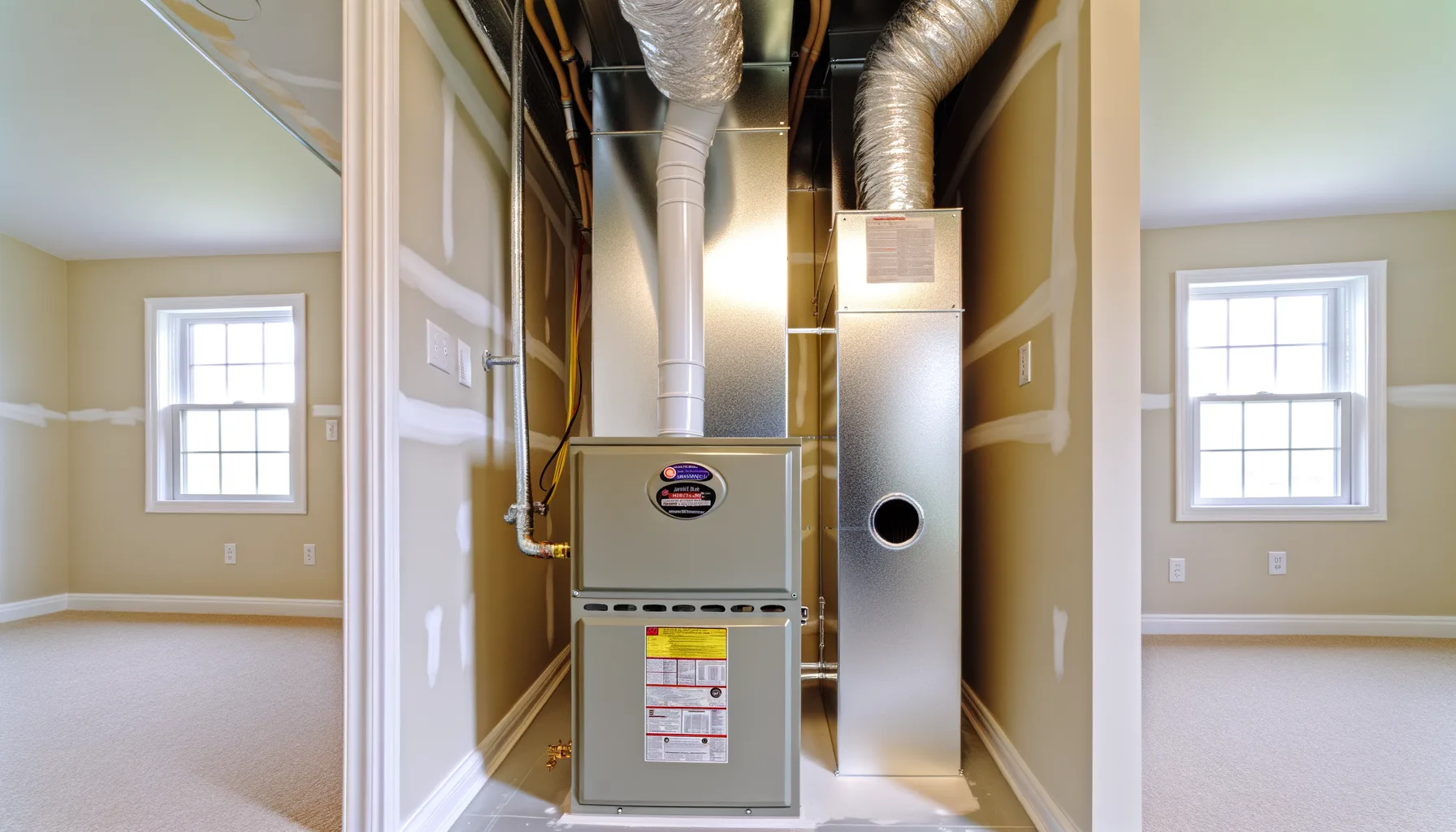
Indianapolis homeowners know that dealing with HVAC emergencies can be nerve-wracking, especially when outside temperatures swing dramatically from scorching summers to frigid winters. Imagine it’s a freezing December night, and your heating system decides to quit on you. In addition to the immediate discomfort, there are specific dangers and long-term concerns associated with an HVAC failure, especially in a climate where seasonal weather changes can affect your home in unpredictable ways. In such critical moments, knowing what to do before professional help arrives can make a significant difference in your comfort and safety.
Why This Matters for Indianapolis Homeowners
HVAC systems are designed to withstand the seasonal weather changes that Indianapolis experiences, yet they can still break down unexpectedly. The typical residential heating and cooling system should last between 15 to 20 years, but lack of maintenance, wear and tear, and sudden extreme temperatures can lead to early failures. This can result in costly repairs, sometimes exceeding $1,500, not to mention the discomfort and potential safety hazards for your family.
In Indianapolis, rapid fluctuations in temperature during the seasons can lead to stress on HVAC systems. For instance, a sudden cold snap can cause heat pumps to work overtime, increasing the risk of malfunction. Additionally, older homes in the area may have outdated systems that are not as resilient. Therefore, it’s crucial to be prepared for an emergency, as waiting for help can prove daunting.
Knowing how to react when your system fails can help minimize damage to your home and ensure the safety of your loved ones. After all, a malfunctioning furnace in winter or a broken AC during the sweltering heat can turn your home into an uncomfortable environment, making it essential to take proactive steps when emergencies arise.
Expert Solutions & Actionable Tips
1. Check the Thermostat
Before assuming that your HVAC system is broken, always check the thermostat settings. Ensure it’s set to the correct mode—heating for winter and cooling for summer. In Indianapolis, it’s common for thermostats to get accidentally switched or programmed incorrectly. This simple step can sometimes resolve the issue immediately without professional intervention.
2. Inspect Your Breaker Box
Many HVAC systems can trip circuit breakers. In homes built during the post-war era, like many around Indianapolis, the electrical system may not be equipped to handle modern HVAC loads. Locate your breaker box and ensure that the breaker for your HVAC system hasn’t tripped. Resetting it may bring your system back online without further ado.
3. Replace the Air Filter
Dirty air filters can restrict airflow, causing systems to overheat and break down. Change your HVAC filter at least every three months, especially during the heating season in Indianapolis where dust accumulates more quickly. A standard filter costs around $15 and its regular replacement can extend the life of your system and is a quick fix if you notice issues.
4. Check for Blocked Vents
Blocked vents can lead to inadequate heating or cooling. Inspect all vents in your home, ensuring they are not obstructed by furniture or other items. In a city like Indianapolis where homes can have multiple levels, airflow restriction can lead to uneven temperatures, prompting a system failure. Clearing vents is an easy fix to try first before troubleshooting further.
5. Listen for Unusual Noises
Pay attention to any strange noises coming from your HVAC unit. Banging, rattling, or screeching sounds can indicate serious issues that need immediate attention. In Indianapolis, addressing these noises early can prevent more extensive damage and higher repair costs, potentially saving thousands.
6. Locate the Emergency Shut-Off Switch
Knowing where your HVAC emergency shut-off switch is located can prevent further damage when a malfunction occurs. Typically found near the furnace or air handler, this switch can stop the system from running and help prevent any fire hazards if you've noticed smoke or burning smells. In older Indianapolis homes, these switches can often be overlooked, so familiarizing yourself with them is crucial.
Indianapolis Climate & Local Context
Indianapolis experiences a humid continental climate, with significant temperature variations across the seasons. This affects not just how HVAC systems operate, but also the types of systems suited for local homes. Brick and wood-frame homes, common here, tend to retain heat differently, which in turn influences heating and cooling needs. Also, seasonal transition periods mean that residents must be diligent about maintenance to prepare their HVAC systems for the upcoming changes.
Local codes and regulations often require specific types of insulation and energy-efficient systems for homes built in the last couple of decades. Homeowners unfamiliar with these requirements may face challenges if their systems fail, as retrofitting or replacing units can involve navigating complex permits and inspections. Understanding these local conditions is key in ensuring your HVAC system is compliant and efficient.
When to Call a Professional
While there are DIY fixes for minor HVAC issues, knowing when to call a professional can make all the difference. In many cases, improper handling can lead to more significant problems or even unsafe situations. If your HVAC system is less than five years old and experiencing issues, warranties may require professional service for repairs.
- Burning smells or smoke
- Unusual noises that don’t stop
- Significant leaks or fluid accumulation
- No airflow from vents
- Thermostat that won’t respond
- Breaker keeps tripping
- System is more than 15 years old
- Unexplained spikes in your utility bill
Understanding these red flags can empower you to make informed decisions about your HVAC system before calling in experts. CoolWave Heating and Air Conditioning in Indianapolis is available to assist with any signs of serious trouble.
Frequently Asked Questions
What should I do first when my HVAC system stops working?
Start by checking the thermostat settings. Ensure the system is set to the correct mode and the temperature is appropriately set.
How can I prevent HVAC emergencies during the changing seasons?
Scheduling regular maintenance checks with a local provider like CoolWave Heating and Air Conditioning can mitigate potential breakdowns.
Are there any safety risks I should be aware of during an HVAC failure?
Yes, improper handling of a malfunctioning unit can pose electrical hazards, and gas leaks from furnaces require immediate attention.
How often should I replace my air filters?
It’s advisable to replace air filters every three months to maintain system efficiency, especially in an area with high dust levels like Indianapolis.
Is there a difference in HVAC systems for older homes versus newer builds?
Yes, older homes often require different types of systems and may need updates to meet local energy codes and regulations.
Get Expert HVAC Service in Indianapolis
If you find yourself facing an HVAC emergency in Indianapolis, don't hesitate to reach out. Understanding what steps to take before help arrives can protect your comfort and safety. For expert support, call (463) 275-4244 to connect with CoolWave Heating and Air Conditioning—your go-to solution for keeping your home comfortable, no matter the season.
Don't wait until it's too late! With Indianapolis's unpredictable weather, staying proactive about your HVAC system can save you from unnecessary stress and expenses. Reach out today!