How Indianapolis Building Codes Affect Your HVAC Needs
Published: 2026-04-14 · By CoolWave Heating and Air Conditioning
In the heart of Indianapolis, the beauty of each season brings both challenges and opportunities for homeowners. When winter's chill transitions into the heat of summer, the need for an adaption in your heating and air conditioning systems becomes crucial. Understanding how local building codes influence HVAC requirements can often be the key to maximizing your home's comfort, energy efficiency, and safety.
Why This Matters for Indianapolis Homeowners
Many Indianapolis residents find themselves contemplating whether their HVAC systems are adequately prepared for rampant seasonal changes. The city experiences sweltering summers and bone-chilling winters, dynamic shifts that can strain HVAC units beyond their limits. Local building codes, which dictate installation standards and maintenance protocols, are designed to protect your investment and ensure safe operation of heating and cooling systems. Failure to comply with these codes may result in penalties, poorly functioning equipment, or even hazardous situations.
Moreover, homes in various neighborhoods, each with distinct architectural styles and construction materials, may face unique challenges within these regulations. For instance, certain older homes may not comply with today’s HVAC standards, compelling homeowners to consider renovations or upgrades. In such cases, understanding the nuances of Indianapolis building codes becomes paramount.
Consider conducting a thorough inspection of your HVAC system every season, especially when transitioning between significant weather changes. Ignoring this could bring forth costly repairs or replacements later.
Expert Solutions & Actionable Tips
1. Conduct Regular Inspections
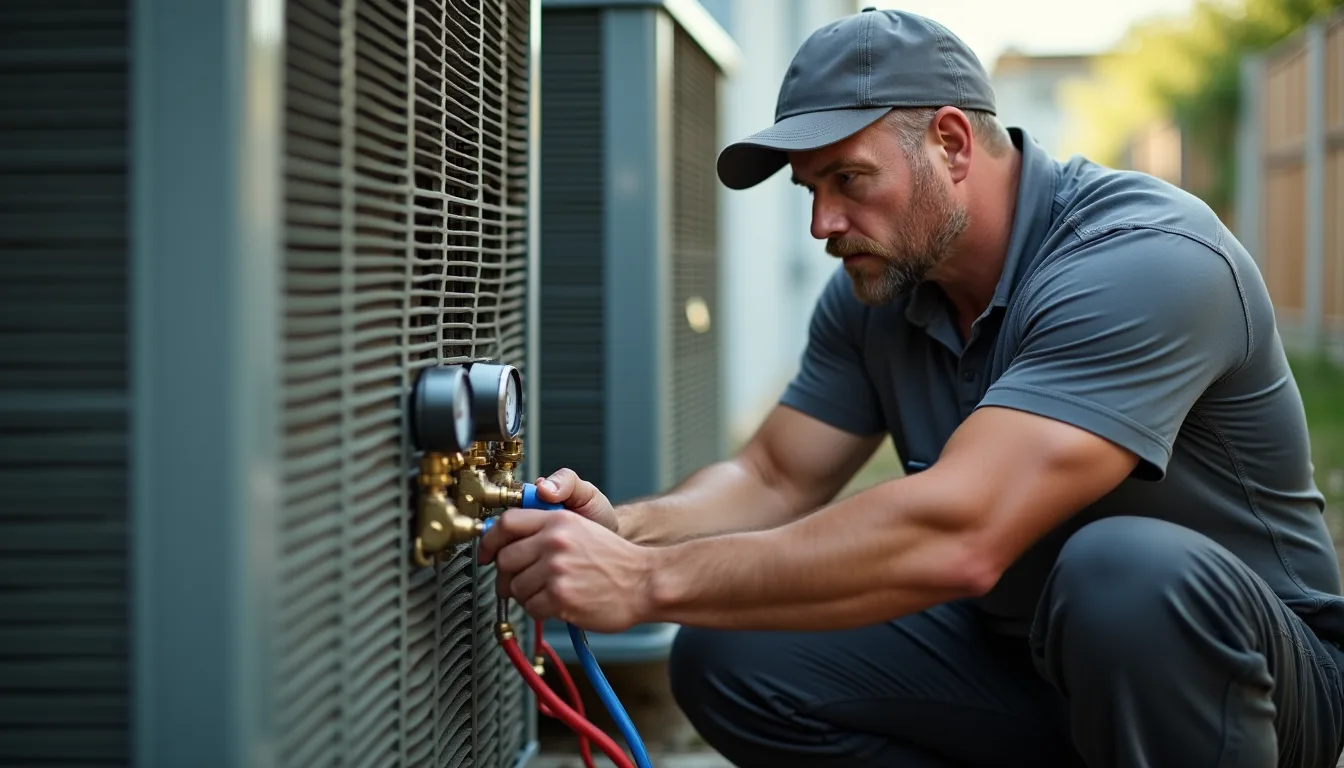
It's crucial to schedule HVAC inspections at least twice a year, preferably before major seasonal shifts. A typical inspection costs between $75 to $150. During these inspections, certified technicians will evaluate your equipment’s performance and ensure compliance with local codes.
In Indianapolis, it's not uncommon for local HVAC professionals to identify minor issues during inspections that can develop into significant problems, saving homeowners from unexpected expenses.
2. Upgrade Your Insulation
Older homes in Indianapolis often face insulation issues that can directly impact HVAC performance. If your home has insufficient insulation, upgrading it can significantly enhance both heating and cooling efficiency, with costs ranging from $1,500 to $4,000 depending on attic or wall insulation.
With more homes built during periods before stringent building codes, insulating your space can protect against temperature extremes and lower energy bills effectively.
3. Understand Your Ductwork
Faulty ductwork can lead to significant energy waste. If your home was constructed before 2000, it’s wise to have a technician assess the state of your ducts. Duct sealing can range between $200 and $600, but the long-term savings can make it worthwhile.
Ensuring your ducts meet modern building codes not only enhances comfort but also improves air quality by reducing dust and allergens.
4. Furnace and AC Compatibility
In Indiana, the HVAC systems must work in harmony to ensure efficient operation. If you're considering an upgrade, ensure that both your furnace and AC systems are compatible. This compatibility is crucial for achieving optimal energy efficiency.
Check for code requirements concerning sizing as well; improperly sized units can lead to higher operational costs and discomfort.
5. Energy Efficiency Standards
Familiarize yourself with the latest energy efficiency standards that Indiana has set. Systems rated under 14 SEER (Seasonal Energy Efficiency Ratio) are generally frowned upon in the current market, as many residents seek energy-efficient solutions.
Investing in a quality system might set you back $3,000 to $7,000, but the long-term savings on energy bills and potential rebates mean you can recoup your investment over time.
6. Stay Updated on Local Codes
Indianapolis building codes can change, affecting HVAC installation and maintenance. Regularly check the city’s website or consult with a local HVAC professional to stay informed about any updates.
Being aware of these regulations will not only help you avoid fines but also ensure your home operates safely and efficiently.
Indianapolis Climate & Local Context
Indianapolis experiences a humid continental climate, characterized by four distinct seasons, which greatly influences the needs of HVAC systems throughout the year. Cold winters bring temperatures that can drop to the teens, while summers can climb into the 90s. The effect of such extremes necessitates an HVAC system that adheres to optimal building codes designed to regulate safety and energy efficiency.
The region is filled with older homes, many of which may not meet current HVAC standards. As these homes age, homeowners should be mindful of local code requirements concerning insulation, ductwork integrity, and energy efficiency of heating and cooling systems. Permits for any new installations or significant upgrades may be necessary, depending on the scope of work and adherence to modern codes.
When to Call a Professional
While DIY projects can sometimes save money, when it comes to HVAC work, having a professional can ensure compliance with local regulations. Certain tasks, like replacing filters, may be manageable on your own. However, leave complex installations or repairs to the experts.
- Aging HVAC units over 10 years old
- Unusual noises or smells from your system
- Inconsistent temperatures across rooms
- Frequent cycling on and off
- Old or improperly installed ductwork
- Recurrent issues after prior repairs
- Visible signs of damage on any equipment
In these cases, an experienced HVAC professional can ensure that all work performed meets Indianapolis codes, keeping you and your home safe.
Frequently Asked Questions
What are the energy efficiency standards for HVAC systems in Indianapolis?
In Indianapolis, the current standard for air conditioning systems is a minimum SEER rating of 14. This ensures that the HVAC units operate effectively while remaining energy-efficient, helping homeowners lower their utility costs.
How do I know if my HVAC system meets local building codes?
Scheduling a comprehensive inspection with a certified HVAC technician will provide clarity on your system’s compliance with Indianapolis building codes. They will evaluate installation quality and may recommend upgrades if necessary.
When should I upgrade my HVAC system?
If your system is over ten years old, requires frequent repairs, or shows signs of inefficiency, it is likely time to consider an upgrade to meet modern energy standards and building codes.
What can I do to improve my HVAC efficiency on a budget?
Simple tasks such as sealing ductwork, cleaning filters, and ensuring your home is adequately insulated can enhance HVAC system efficiency without significant financial investment.
Are there any available rebates for upgrading my HVAC system?
Many programs in Indiana offer rebates for energy-efficient HVAC upgrades. Check with local utility companies or the state energy office for current programs and eligibility.
Get Expert HVAC Service in Indianapolis
If you’re uncertain whether your HVAC system meets Indianapolis building codes or need assistance with a new installation, don’t hesitate to reach out. Call (463) 275-4244 today. At CoolWave Heating and Air Conditioning, we are dedicated to helping residents stay comfortable and informed about their HVAC needs in Indianapolis.
Let us help you ensure your system is compliant and efficient, keeping your home safe no matter the season.